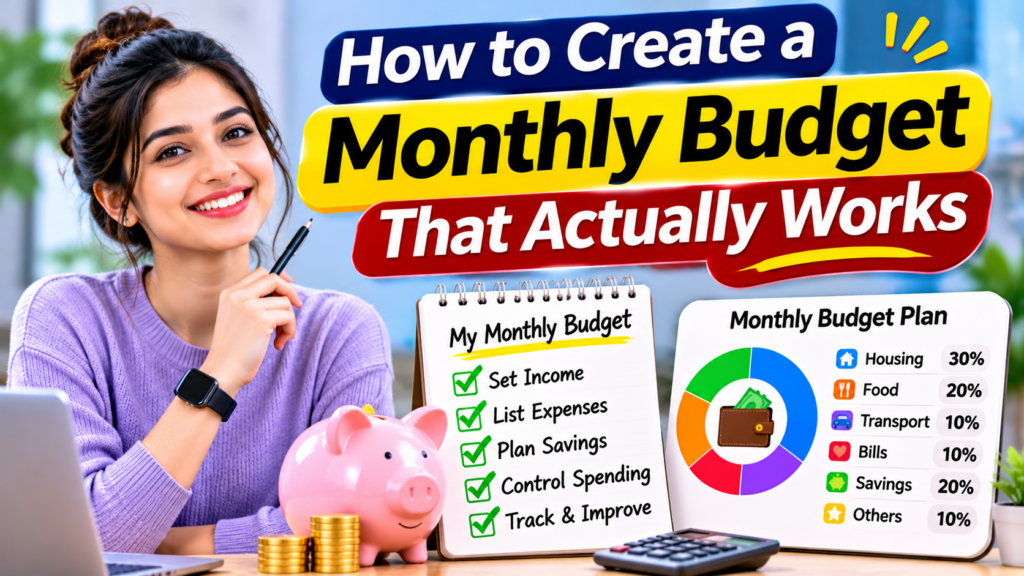
Creating a monthly budget can seem daunting, yet it is one of the most empowering steps you can take towards achieving financial stability. A well-structured budget not only helps you track your spending but also allows you to allocate funds effectively, save for future goals, and avoid unnecessary debt. In this guide, we’ll walk you through the essential steps to create a monthly budget that truly works for your lifestyle and financial goals.
Understanding the Basics of Budgeting
Before diving into the creation of a budget, it’s essential to understand the fundamental concepts of budgeting. A budget is a plan that outlines your expected income and expenses over a specific period.
What is a Budget?
A budget is a financial tool that helps you manage your money by providing a clear picture of your income and expenses. It enables you to prioritize spending, save for goals, and make informed financial decisions.
Why is Budgeting Important?
- Control Over Finances: A budget gives you control over your financial situation, helping you avoid overspending.
- Goal Achievement: It allows you to set and achieve financial goals, such as saving for a vacation or paying off debt.
- Emergency Preparedness: A budget can help you build an emergency fund for unexpected expenses.
- Reduced Stress: Knowing where your money goes reduces anxiety related to finances.
Steps to Create a Monthly Budget
Creating a budget involves several systematic steps. Below are detailed instructions to guide you through the process.
Step 1: Gather Financial Information
The first step in creating a budget is to gather all relevant financial information. This includes:
- Pay stubs and income statements
- Bank statements
- Credit card statements
- Receipts for regular expenses
Collecting this data will give you an overview of your financial situation.
Step 2: Calculate Your Total Income
Once you have your financial information, calculate your total monthly income. Include:
- Your salary or wages
- Any side hustle income
- Investment income
- Any other sources of income
This total will serve as the foundation for your budget.
Step 3: Identify Your Expenses
Next, list all your monthly expenses. Categorize them into fixed and variable expenses:
- Fixed Expenses: These are consistent monthly costs, such as rent or mortgage, insurance, and loan payments.
- Variable Expenses: These can fluctuate month to month, including groceries, entertainment, and dining out.
Be thorough and honest while listing your expenses to get a realistic picture.
Step 4: Create Expense Categories
Organizing your expenses into categories can help you see where your money is going. Common categories include:
- Housing
- Utilities
- Transportation
- Food
- Health & Fitness
- Debt Repayment
- Entertainment
- Savings
By categorizing, you can identify areas where you might be overspending.
Step 5: Set Spending Limits
Once you have your expenses categorized, set spending limits for each category based on your total income. Ensure that:
- Your total expenses do not exceed your income.
- You allocate a portion to savings and debt repayment.
This step is crucial for maintaining financial discipline.
Step 6: Monitor and Adjust Your Budget
Your first budget is unlikely to be perfect. Regularly monitor your spending against your budget. Keep track of your actual expenditures and compare them to your planned amounts:
- Use budgeting apps or spreadsheets to track your expenses.
- Adjust your budget as necessary based on your spending habits.
This will help you stay on track and make informed adjustments over time.
Using Budgeting Tools and Resources
There are many tools available to assist you in budgeting. Here are a few popular options:
- Budgeting Apps: Apps like Mint, YNAB (You Need A Budget), or EveryDollar can simplify tracking your finances.
- Spreadsheets: Creating a custom spreadsheet can allow for personalized budgeting that meets your needs.
- Printable Budget Worksheets: Many websites offer free templates that can help you get started quickly.
Find the method that works best for you and stick to it.
Key Takeaways
- Gather all financial information to create an accurate picture of your finances.
- Calculate your total income and categorize your expenses to identify spending patterns.
- Set realistic spending limits and adjust them as needed to stay within your budget.
- Utilize budgeting tools to simplify tracking and monitoring your finances.
- Regular reviews and adjustments are essential to maintaining a successful budget.
FAQs About Creating a Monthly Budget
1. What if my income varies each month?
If your income fluctuates, consider using an average of your income over the past few months as a baseline for your budget. Prioritize essential expenses and adjust discretionary spending accordingly.
2. How can I stick to my budget?
To stick to your budget, regularly review your spending, set reminders for payments, and stay disciplined. Using cash for discretionary categories can also help limit overspending.
3. How often should I review my budget?
Review your budget at least once a month to track your spending and adjust as necessary. Regular reviews will help you stay on track and make informed financial decisions.
4. What do I do if I go over budget in a category?
If you exceed your budget in a category, analyze the reasons behind the overspending. Adjust your budget for the following month or cut back in other areas to compensate.
5. Can I include savings in my budget?
Absolutely! Treat savings as a fixed expense in your budget. Aim to allocate a specific percentage of your income towards savings each month for future goals.
Conclusion
Creating a monthly budget is an essential step towards achieving financial stability and reaching your personal financial goals. By understanding your income, tracking your expenses, and regularly reviewing your budget, you can create a financial plan that truly works for you. Remember, budgeting is a dynamic process that requires adjustments and discipline, but with practice, it will become a powerful tool for managing your finances effectively.
Leave a Reply